
Threaded Through Time: Women’s Fashion
From bonnets and bustles to lace and linen, explore how women’s fashion reflected changing roles, identities, and eras in Mathews County.
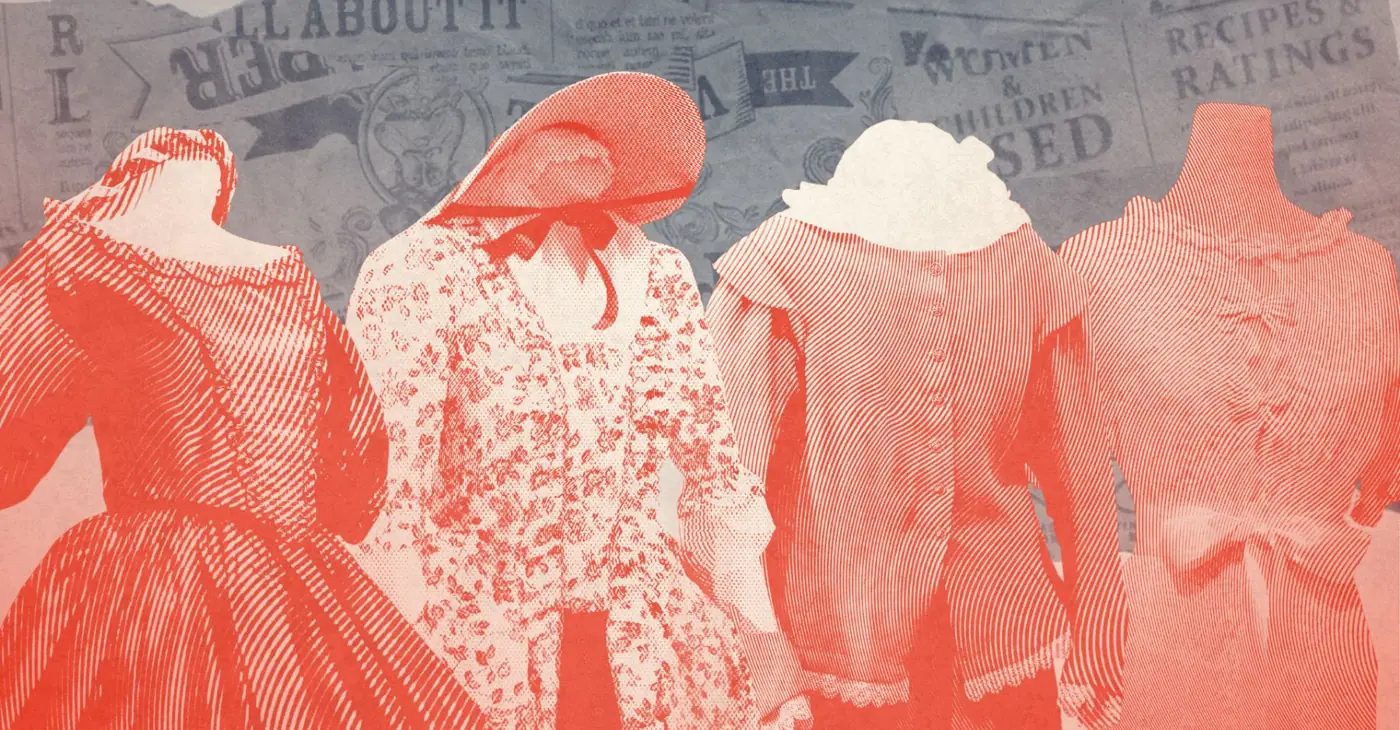
Clothing has always been more than fabric. It communicates class, culture, and context. This special exhibit, created for Women’s History Month, explores the evolution of women’s fashion from the 1700s through the 20th century—showcasing garments, accessories, and silhouettes that tell the story of women in Mathews across generations.
Women’s fashion in Mathews has always been shaped by a unique blend of geography, economy, and community life. From the colonial era—when most women lived on farms or near the busy wharves—to the early 20th century, clothing reflected both the rhythms of rural work and the aspirations of a region connected to far-reaching trade. Fabrics arrived by ship, patterns were exchanged among neighbors, and garments were often handmade with extraordinary skill. Each piece in this exhibit carries traces of that world: the resourcefulness of local women, the influence of global commerce, and the intimate labor of stitching for family and community.
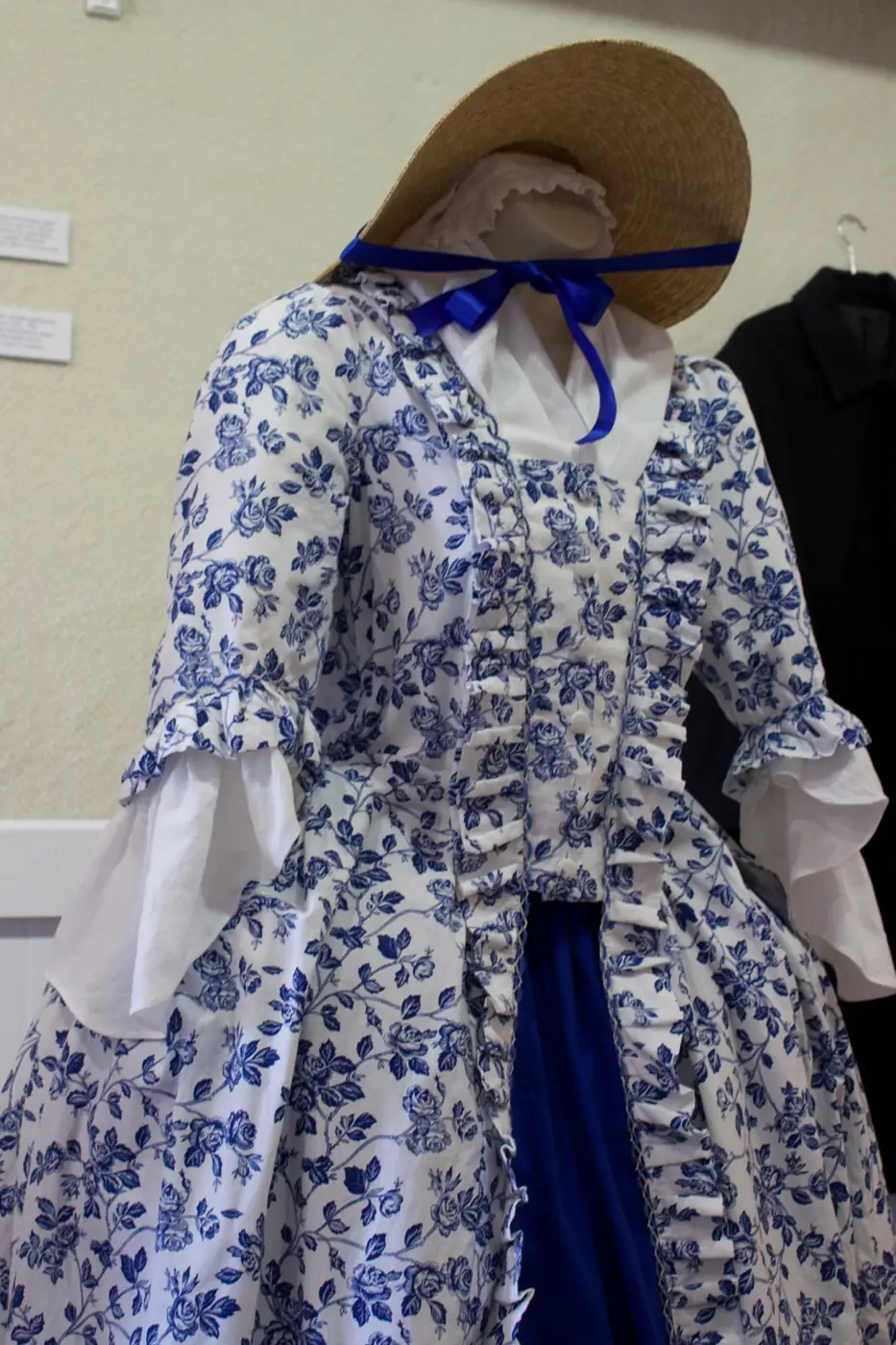
In the 1700s and early 1800s, garments favored structure and practicality, yet even the simplest dresses held meaning. A patterned day gown might have been sewn from imported cotton, signaling a family’s connection to maritime trade. Bonnets protected women from the sun as they worked the fields or traveled to market, while stays and petticoats reflected expectations of modesty and propriety. Fashion in this period balanced necessity with subtle expressions of identity—choices of fabric, trim, or cut that quietly conveyed faith, status, or personal style within the small but vibrant communities of Mathews County.
By the late 19th century, changing technologies and shifting social expectations began reshaping women’s clothing. The introduction of sewing machines, paper patterns, and ready-made goods allowed even rural families to participate in national trends. Dresses became more ornate, silhouettes more dramatic, and garments increasingly symbolized a woman’s place in public life—whether attending church, joining a civic club, or appearing in a rare formal portrait. Behind each garment was a story of expanding horizons: women gaining education, managing businesses, sustaining households, and navigating a rapidly modernizing world.
As the 20th century unfolded, fashion in Mathews continued to evolve alongside women’s roles. Light cotton dresses, lace collars, and practical workwear reflected both new freedoms and ongoing responsibilities. These garments carry the stories of watermen’s wives keeping households afloat, teachers shaping local schools, and young women stepping into modern life. Though many of their names are unknown, their clothing reveals the creativity, resilience, and cultural shifts that shaped generations. This exhibit honors them—women whose lives were woven into the fabric of Mathews County, leaving a legacy as enduring as the stitches they left behind.
Explore More
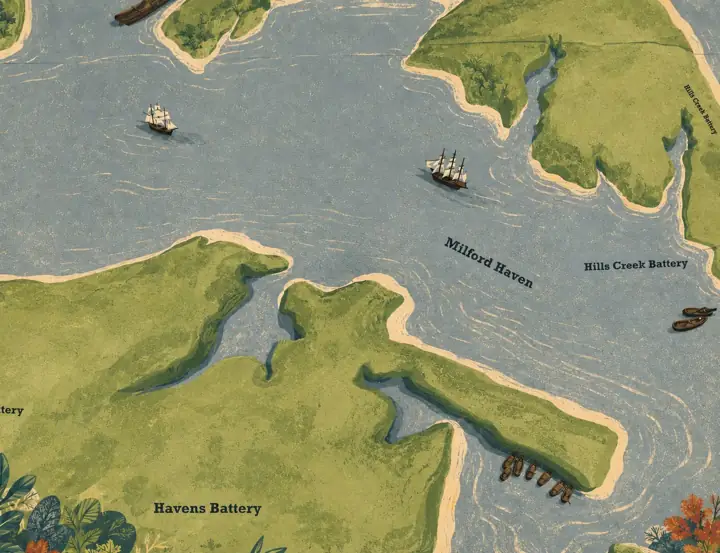
Step into 1776: The Battle of Cricket Hill Diorama
Experience Lord Dunmore’s last stand in Virginia through a detailed scale model of Gwynn’s Island, Fort Cricket Hill, and the waters of Hills Bay.
View exhibit →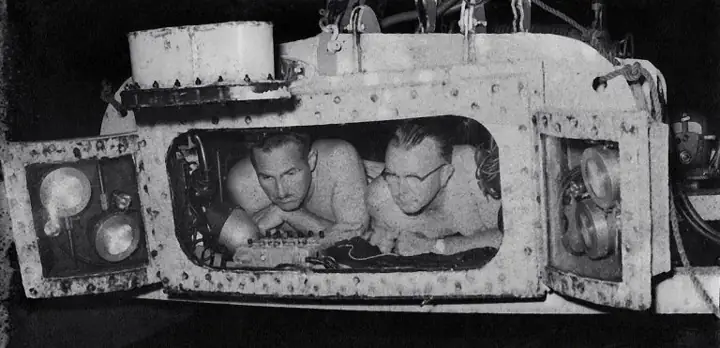
100 Hours Beneath the Chesapeake
Before ROVs or scuba, there was Gilbert Klingel—a man who welded curiosity into steel and gave the Chesapeake a voice.
View exhibit →
Bay Quilters Guild Annual Quilt Show
Hosted by the Mathews Museum & Bay Quilters Guild
View exhibit →